A clean car can mean two very different things depending on who is holding the wash mitt. On one hand, there is the quick spruce up that makes a daily driver look presentable for the week. On the other hand, there is a methodical reset that digs into every seam, safely decontaminates paint, restores clarity, and sets the car up for easier upkeep. People often call these two approaches “express detail” and “full detail.” The names sound like marketing labels, advanceddetailingsofla.com window tint but behind them lives a real difference in process, time, and outcome.
Understanding where they diverge helps you spend wisely, protect finishes, and decide when to add services like paint correction, ceramic coating, or paint protection film. It also explains why some cars look sharp the day they are serviced yet fade within a month, while others keep their glow for a season or more.
What an express detail really covers
Express detail packages exist for a reason. They keep costs approachable and turnarounds fast, which matters if the car sees heavy weekly use or the goal is simple upkeep before a work trip or family event. Most express services focus on improving what you see first: the upper body panels, the glass, the dash, and the vacuum lines on the carpets.
A straightforward express package usually involves a contact wash with a safe soap, a basic wheel face cleaning, a quick vacuum, a wipe of interior touch points, glass inside and out, and a light spray sealant for a short-lived shine. It removes topical dust and some bonded grime, and it will make black paint look better from six feet away. If you run your hand over the hood afterward, it might feel slick, but that slickness generally comes from the product applied on top, not because the paint itself has been deeply decontaminated.
Where the express approach shows its limits is in the tight edges, the lower rocker panels, and the wheel barrels. Embedded brake dust, tar, and iron particles remain. Door jambs might get a quick wipe but not a flush. Interior crevices keep their lint. None of this is a failure of workmanship. It is simply the trade for saving hours and cost.
Where a full detail earns its name
A full detail is a reset, not a refresh. The checklist grows longer, but more important, the techniques shift. The wash process alone looks different. A technician will typically begin with a pre-foam to lubricate and lift dirt, followed by a two-bucket hand wash to reduce marring. After the contact wash comes chemical decontamination with iron removers and tar solvents, then a mechanical clay pass to remove bonded contaminants. Only then is the paint truly clean.
Wheels and tires get broken down properly. Wheel faces and barrels are treated with dedicated cleaners and tools sized for spokes, lug nuts, and inner barrels. Tires are scrubbed to strip old dressing and browning, so new dressing bonds and cures without slinging.
On the interior side, a full detail means more than vacuuming. Air purge tools drive debris out of seams. Soft brushes and steam clean high-touch plastics without leaving gloss streaks. Fabric seats and carpets may be shampooed or extracted if stains are present, and leather gets a pH-appropriate cleaner followed by a conditioner that does not leave a shiny film.
The difference shows in places you do not notice until they are wrong. Door jambs dry clean and glossy, rubber seals dressed lightly so they do not grab, pedals wiped but not made slippery, and glass wiped with a towel that does not lint. When done right, a full detail gives you that settled feeling as soon as you sit down, the sense that every surface is consistent and nothing is sticky or grimy.
The durability gap you feel weeks later
Right after either service, a car looks brighter. The real test arrives at the third or fourth wash. Express-level protection usually relies on quick spray sealants that bead aggressively for a couple of rains, then fade. On a white or silver car, you might not mind. On darker colors, you begin to see clouding, water spots, and the flat look that comes when contaminants build under a thin layer of gloss.
A full detail, because it removes bonded contaminants first, allows any protective layer, even a simple polymer sealant, to bond to clean paint. That improves durability. When combined with a higher-grade product such as a ceramic coating, the gap grows wider still. A well-prepped and coated finish resists wash-induced micro-marring, sheds grime more easily, and keeps its crisp look between washes. That is not marketing language, it is shop-floor observation. If a client asks why their car used to stay clean for a week and now holds onto dust after two days, the prep variable is the usual culprit.
Paint correction is not included by default
A full detail and paint correction often get lumped together, but they are not the same thing. Correction is the measured removal of clear coat to level defects like swirls, haze, and micro-scratches. A full detail prepares the paint. Correction changes it.
Deciding whether correction is necessary takes good lighting and restraint. On a daily SUV with light swirling, a single-step polish might lift gloss by a visible 20 to 30 percent without chasing every defect. On a garage-kept weekend car that has been tunnel washed, a two-step compound and polish can transform the surface. The decision turns on the car’s purpose, the owner’s tolerance for micro-marring, and the remaining clear coat thickness.
Shops that toss in “free buffing” inside a full detail usually hint at a quick glaze, not real correction. If your paint looks amazing when you pick it up but hazy two rains later, that is glaze and filler washing away. The honest path is to treat correction as an add-on with a clear goal, along with the understanding that correction and protection work best as a pair.
Where coatings and films fit into the picture
Ceramic coating and paint protection film, often shortened to PPF, solve different problems. Coating hardens on the surface to resist chemical staining and make washing easier. It does not stop rock chips. PPF is a polyurethane film that takes physical abuse, including most chips and some scratches, then can self-heal minor marring with heat. It does not replace a coating’s slickness and chemical resistance, though many films now accept a topcoat.
If you only ever choose express details, coatings rarely deliver their potential because the paint underneath has not been properly decontaminated or leveled. In the shop, we see a pattern: cars with a long, careful prep retain a coating’s water behavior for a year or more. Cars that shortcut the prep lose the tight beading and sheeting within months. With PPF, prep also matters. The film needs clean, decontaminated panels to avoid trapped debris and lifting edges.

Window tinting sits in its own lane but still benefits from a clean install environment. Dust nibs behind a film ruin the look from day one. When tinting and a full detail happen in sequence, we schedule tint after interior wipe down and glass polish, never before a dusty vacuum.
The small processes that change the result
A lot of what separates express and full detail lives in the unglamorous steps. Using a contact wash mitt only on the upper half of a dirt-caked truck during an express wash is reasonable. In a full detail, the mitt gets rinsed after each panel and a second mitt handles the lower sections to avoid dragging grit. In an express interior, a quick vacuum lifts what you see. In a full detail, we remove the floor mats, slide seats back and forward to expose rails, and blow out the debris that collects under the driver’s heel.
Those extra minutes stack up. On a compact sedan, an express interior and exterior might take 60 to 90 minutes. A thoughtful full detail can run five to eight hours, longer if stains or heavy contamination show up, and longer still if paint correction is added. Shops plan staffing and bays around that timing. The work is slower because it values process over pace.
When an express detail is the right call
There is no trophy for always choosing the long service. Plenty of scenarios call for express. If a car is leased and due to be returned in a few months, a couple of express details might handle it. If a family hauler accumulates cereal dust and dog hair every week, a monthly express service keeps the interior pleasant without chasing a spotless finish that will not last a day.
Express also shines for maintenance between full services. After a paint correction and ceramic coating, the car does not need deep decontamination every month. A careful express wash with coating-safe soap, plus a light topper as needed, preserves the work and stretches intervals between deep dives.
When a full detail pays you back
The first full detail after purchase, whether new or used, does the most work. New cars often arrive with transport film residue, dealer-installed swirls from rushed prep, and rail dust embedded across horizontal panels. Used cars carry years of embedded contaminants and silicone dressing. Resetting early makes every mile afterward easier to clean.
Before applying a ceramic coating or PPF, a full detail is not optional. It is the foundation. Coatings and films magnify whatever they sit on. If the surface is hazy or contaminated, the protection locks in that look. If the surface is clean and leveled, the protection locks in clarity and makes future washes efficient.
Owners who plan to keep a car beyond the warranty years tend to see full detailing as a maintenance line item. The value is not just in the gloss, it is in preserving headlight clarity, protecting trim from UV chalking, and keeping door seals conditioned so they do not squeak or stick. That long view is what separates cars that age gracefully from those that feel tired by year four.

Advanced Detailing Sofla: how we separate express from full
At Advanced Detailing Sofla, we learned to define express and full by processes, not by minutes. An express appointment targets visual improvement with minimal intrusion. We keep products gentle and avoid chemicals that need long dwell or neutralization. The goal is a clean, honest finish that does not hide grime behind glossy dressings.
A full detail at Advanced Detailing Sofla means stepping through a fixed sequence, from pre-foam to iron removal to clay, wheel barrels to jambs, and textiles that need hot water extraction rather than just shampoo. We photograph paint defects before any polishing so clients can choose whether correction suits their goals. That record helps on the next visit because we can tell if new marks are wash-induced or unavoidable road wear.
Advanced Detailing Sofla on coatings, PPF, and timing
Ceramic coating installs fail most often in the prep, not the application. Our rule is simple: no coating goes on a car that has not passed both chemical and mechanical decontamination, and we do not coat over glaze. We prefer a mild polish to refine the surface, even on new cars, because it levels those faint transport marks you see under LED inspection lights.
For PPF installs, we stage cars so panels can air dry fully after washing, then we perform a panel wipe with a film-safe solution. Edges and badges trap lint and water, so we purge them with air before the first pull of film. The difference shows up months later when edges stay put and contamination does not creep.
Window tinting gets scheduled with the same care. Interior glass must be lint-free. If floor mats are full of fiber or the headliner sheds, we handle those first. The small things reduce specks trapped under film, which is the complaint we hear most often from owners who tried tinting in a dusty environment.
A practical way to choose between services
Picking a service level benefits from a simple reality check. Ask what the car does all week and how you wash it at home. If you use a pay-and-spray bay with a single brush that dozens of cars touch every day, expecting long-term perfection after a one-time full detail is unrealistic. You either adapt your washing routine with better tools, or you accept a compromise on finish.
If the car sleeps outside under trees, express intervals need to be shorter to handle sap and pollen, but full details probably need to be more frequent as well, because contamination accumulates faster. If you have a hose, two buckets, and 30 minutes on a Saturday, a coated car stays far cleaner between professional visits than an uncoated one. Tools and habits matter as much as the package you buy.
Here is a compressed decision aid that we use during intake:
- If the car is new to you, schedule a full detail, inspect for correction needs under proper lighting, then decide on coating or PPF. If the car is already corrected or coated, alternate careful express maintenance with periodic decontamination, timed to the seasons and your driving environment.
Interior realities people forget
Everyone focuses on paint, but interiors can make or break the experience of a clean car. An express interior service wipes what you touch and vacuums what you see. Spills, dye transfer on light leather, pet hair embedded in cargo area felt, and coffee between the seat and console all demand more time and tools.
Steam is underused and overfeared. Used properly with the right attachments, it breaks down sticky residues on buttons and extracts grime from textured plastics without drowning electronics. We have brought back steering wheels that felt like they were coated in syrup, with nothing more aggressive than low-moisture steam and a soft brush. That is full detail territory. You rarely need that every month, but a once or twice a year reset keeps the daily express vacuum honest.
The role of safe washing between services
Even the best full detail will not survive a winter of improper washing. Grit dragged across paint with a dirty mitt creates the very swirls a client paid to remove. The home routine can be simple. A two-bucket wash with a pH-neutral soap, separate mitts for upper and lower panels, and drying with a clean towel plus a drying aid reduces friction and marring. Rinse buckets and mitts between uses. Do not chase beads with a dirty towel. That ten-minute attention extends the life of a ceramic coating and keeps PPF looking sharp instead of scuffed.
If a car is coated, avoid harsh degreasers that strip toppers. If it is uncoated, a gentle spray sealant after a wash adds a week or two of gloss and makes the next wash easier. Neither step replaces the foundation of proper prep, but both sustain it.
Edge cases and honest expectations
Some cars live hard lives. Work trucks collect concrete dust that etches glass. Coastal cars build salt film that creeps into seams. A quick spruce up will not reverse those effects. A full detail can slow the damage and restore clarity, but certain stains or etched water spots require sanding or replacement. Skilled auto detailing finds the line between improvement and risk, and it tells you when that line appears.
Black cars demand the most discipline. They show every wipe mark. If you own a black daily and park outside, a realistic plan might be a seasonal full detail with a modest correction, a ceramic coating for wash safety, and monthly express maintenance handled with soft towels and proper soap. That plan does not promise a showroom look every day, but it keeps the car on the right side of presentable, even under a gas station canopy at night where swirls love to announce themselves.
Where value meets craft
Choosing between express and full detail is not about right or wrong, it is about aligning service level with goals. If the car needs to look presentable for meetings and you have 45 minutes, an express service makes sense. If you want to build a finish that fights grime, resists the elements, and rewards careful washing, a full detail sets the stage. Paint correction, ceramic coating, and paint protection film then become tools you add thoughtfully, not buzzwords you stack on an invoice.
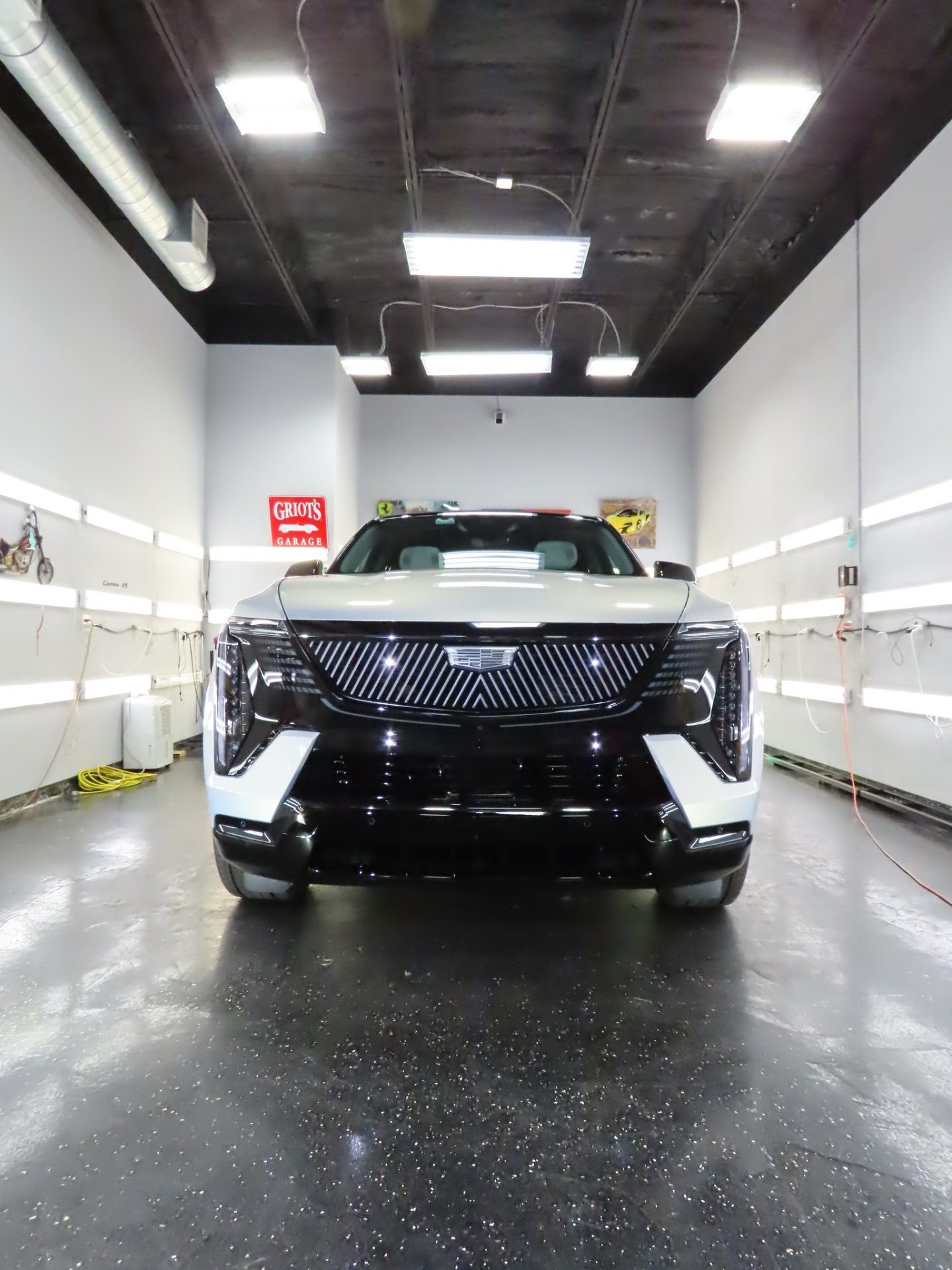
At Advanced Detailing Sofla, that alignment drives the work. We would rather guide a client to a straightforward express plan that suits a busy life than oversell a full package that does not last under their wash routine. When the time is right for a deeper reset, we slow down, light the car properly, and document what we see. The difference shows up months later when the car still beads, the interior plastics do not glare, and the door jambs are as clean as the hood.
Advanced Detailing Sofla on what “included” should mean
The phrase “what’s included” often gets reduced to a bullet list. In practice, inclusion should mean intention. A spray dressing on a tire that slings onto paint a mile down the road is not value. A wipedown that leaves silicone haze on a steering wheel is not clean. We define inclusion as steps that last, products that cure as designed, and finishes that look natural up close, not just glossy from ten feet. That is the heart of the difference between a true full detail and a quick express, and it is why the matter of what is included deserves this much attention.
The right choice, service to service and season to season, is the one that respects how you actually use the car. If your plan supports that reality, the rest falls into place. Paint stays clear longer. Interiors feel calm instead of sticky. Coatings and PPF do their jobs instead of masking shortcuts. And your time, which is the rarest resource in the whole equation, buys back a car that feels right every time you open the door.